Uncategorized

Uncategorized

Puppyfy Guide for First-Time Dog Owners: Do’s and Don’ts

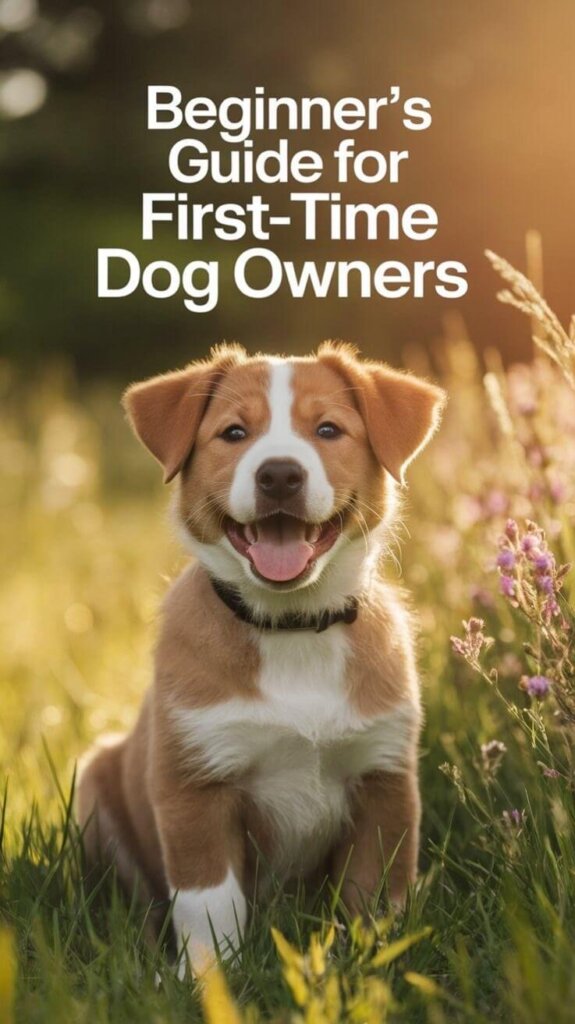
Owning your first dog is exciting—but it can also be overwhelming. Whether you’re in Dubai, Abu Dhabi, or anywhere in the UAE, the right guidance makes all the difference. Puppyfy UAE is here to help with essential do’s and don’ts for first-time dog owners. Do’s for First-Time Dog Owners 1. Research Before You Buy Before choosing a puppy, research dog breeds to find one that fits your lifestyle. For example, Labradors and Golden Retrievers are ideal for families, while smaller breeds like French Bulldogs suit apartment living in Dubai. 2. Puppy-Proof Your Home Remove hazards like electrical cords, small objects, and toxic plants. Make sure doors and windows are secure to prevent escapes. 3. Schedule Vet Visits Early Take your puppy to a vet within the first week. Regular check-ups ensure vaccinations are up-to-date and the puppy is healthy. 4. Stick to a Routine Dogs thrive on routine. Feed your puppy at the same times daily, set regular bathroom breaks, and establish playtime schedules. 5. Train with Positive Reinforcement Use treats and praise for good behavior. Avoid harsh punishments, as they can create fear and anxiety. 6. Socialize Your Puppy Introduce your puppy to different people, pets, and environments. Proper socialization helps reduce anxiety and promotes friendly behavior. 7. Provide Proper Nutrition Feed age-appropriate, high-quality puppy food. Puppies need more protein and nutrients than adult dogs. Always provide fresh water. Don’ts for First-Time Dog Owners 1. Don’t Leave Puppies Alone for Long Puppies need companionship. Leaving them alone for hours can lead to separation anxiety and destructive behavior. 2. Don’t Neglect Training Training isn’t optional. Skipping basic obedience can make future behavior problems much harder to fix. 3. Don’t Overfeed or Give Human Food Avoid feeding puppies human food, especially chocolate, onions, and grapes, which are toxic to dogs. 4. Don’t Ignore Health Warning Signs Lethargy, vomiting, diarrhea, or unusual behavior should be addressed immediately by a vet. 5. Don’t Forget Grooming Regular brushing, nail trimming, and baths are essential for hygiene and bonding. 6. Don’t Buy Impulsively Avoid buying a puppy without verifying the breeder. Always check vaccination records and health certificates. Puppyfy UAE only partners with trusted breeders in the UAE to ensure healthy, happy puppies. Extra Tips for UAE Puppy Owners Keep your dog hydrated in the hot UAE climate. Avoid walking dogs during peak heat hours. Register your puppy with the local municipality if required. Conclusion Being a first-time dog owner comes with responsibility, but it’s also incredibly rewarding. By following these do’s and don’ts, you can give your puppy a healthy, happy start in life. For trusted puppies, professional guidance, and a smooth adoption experience in the UAE, visit Puppyfy UAE today.

Uncategorized

Giardia in Puppies: Symptoms, Treatment & Prevention Every Dog Owner Should Know

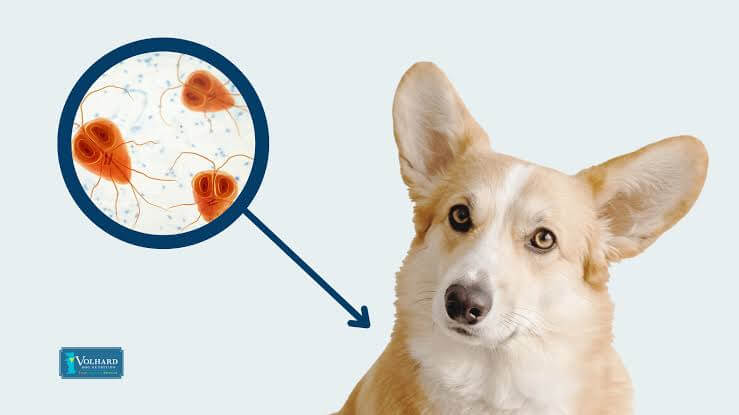
What is Giardia in Puppies? Giardia is a microscopic parasite that infects the intestines of dogs and other animals, including humans. In puppies, it can cause significant discomfort and even hinder growth if left untreated. Giardia spreads through contaminated water, soil, or direct contact with infected feces. Because puppies are still building their immune systems, they are especially vulnerable to this parasite. Early detection and treatment are key. Symptoms of Giardia in Puppies Giardia infection often shows itself through gastrointestinal issues. Common symptoms include: Watery or soft diarrhea, often with a foul smell Weight loss or poor weight gain Lethargy and weakness Vomiting (in some cases) Abdominal discomfort or bloating If your puppy shows any of these signs for more than a day or two, it’s time to consult your vet. How Do Puppies Get Giardia? Puppies often contract Giardia by: Drinking contaminated water (from puddles, lakes, or shared bowls) Licking contaminated surfaces Contact with infected feces Sniffing or eating contaminated soil or grass The parasite thrives in moist environments, so it’s especially common in areas where multiple dogs live or play. Diagnosing Giardia in Puppies To confirm Giardia, your vet will typically: Perform a fecal exam under a microscope Use a Giardia antigen test (more accurate for early detection) Multiple stool samples may be required because the cysts don’t always show up in every sample. Treatment for Giardia in Puppies Fortunately, Giardia is treatable with medications such as: Metronidazole or Fenbendazole These medications are often given for 5 to 10 days, depending on the severity of the infection. In some cases, your vet may recommend a combination of both for best results. Alongside treatment: Disinfect food and water bowls daily Bathe your puppy to remove any cysts from the fur Clean and sanitize their living environment regularly Is Giardia Contagious to Humans? Yes — Giardia is zoonotic, meaning it can spread to humans. Always wash your hands after handling your puppy or cleaning up their feces. Children, the elderly, and people with weakened immune systems should be extra cautious. How to Prevent Giardia in Puppies Here are some practical prevention tips: Provide fresh, clean water at all times Avoid letting your puppy drink from puddles or outdoor sources Pick up and dispose of feces quickly Keep play areas clean and dry Bathe your puppy regularly, especially after outdoor activities If your puppy has had Giardia, a follow-up fecal test is recommended to ensure the parasite is gone.   Giardia in puppies is common but manageable. By recognizing the symptoms early, seeking veterinary care, and maintaining a clean environment, you can protect your puppy from serious illness.

Uncategorized

Healthy Homemade Treats Your Puppy Will Love

raTreat your pup to something special with these healthy homemade treats! Making your own dog treats is a great way to ensure your pet is getting wholesome ingredients. Here are three easy recipes to try: These treats are not only delicious but also packed with nutrients. Visit Puppyfy UAE for more pet care tips and products!          

Uncategorized

The Best Dog Parks & Beaches in the UAE

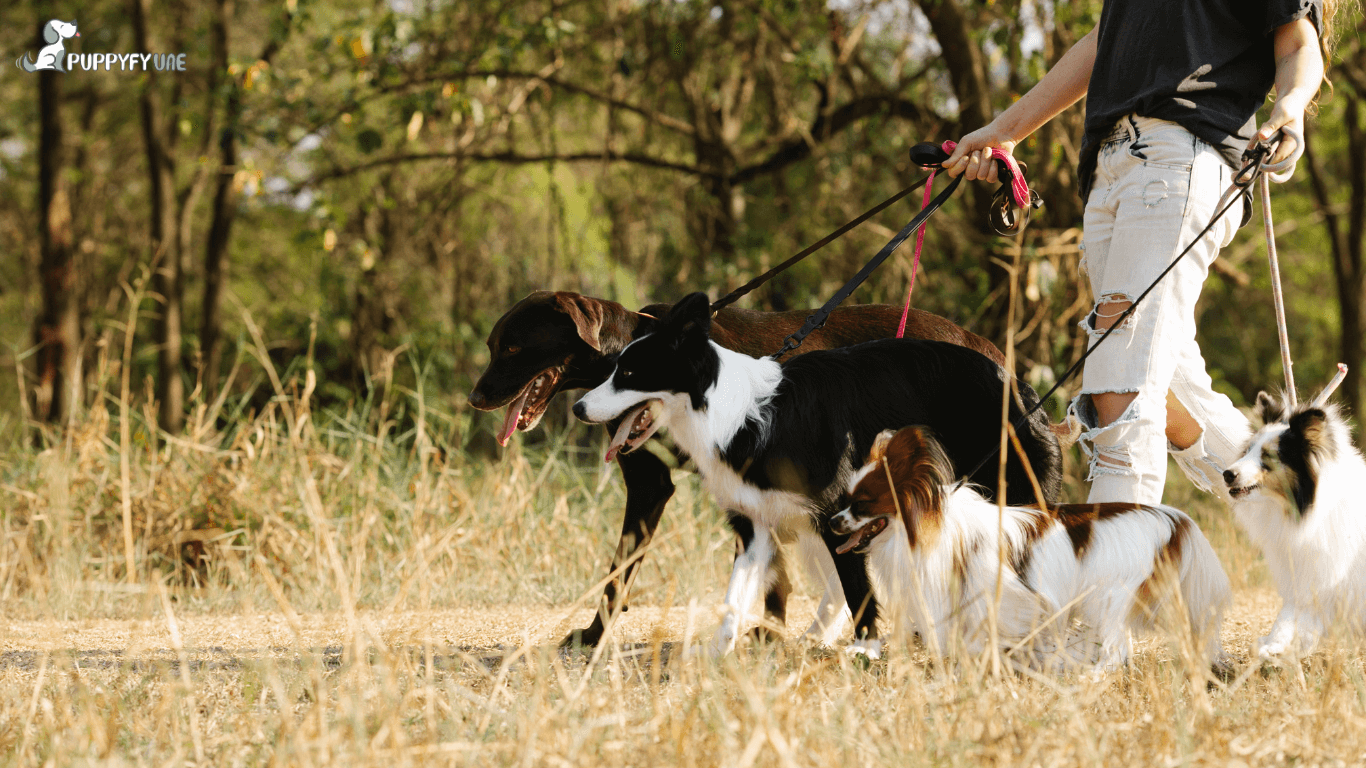
Looking for the perfect spot to let your dogs run and play? The UAE has several fantastic dog parks where your fur babies can enjoy some fun bonding with you. Here are some of the best dog parks in the UAE: Located in the urban sprawl of the Greens Dubai community, The Greens Dog Park stands out as a hidden gem. This heaven, with its lush greenery and tailored amenities, offers both residents and their pets a perfect escape from the city’s bustle. Designed with meticulous care, the park boasts dedicated play zones for dogs, shaded rest areas for their owners, and a vibrant atmosphere that resonates with joy and laughter. 2. BarkPark, Dubai Nestled within a traditional Emirati farm in Al Awir, BarkPark Dubai beckons as a tranquil desert sanctuary. Spanning 5 acres, this fully enclosed outdoor off-leash dog park offers an ideal setting for socializing, exercise, training, play, and even swimming for your furry companions. Reservations are made via WhatsApp or by calling 0506252422. Dogs must be at least 6 months old, microchipped, and up-to-date with annual rabies and DHPPi vaccinations, supported by a valid VacciCheck certificate. 3. Kite Beach Center, Umm Al Qwain Explore Umm Al Quwain’s Kite Beach Center, a serene retreat for dogs and their owners beyond Dubai. Notably, Kite Beach Center offers unique opportunities for dogs to engage in watersports, creating an exceptional haven for pet-friendly outdoor adventures. Entrance Fee: AED 75 (per dog) | AED 45 (per owner). Location: Umm Al Quwain. Contact: +971-55-507-3060 4. Wadi Shawka, Ras Al Khaimah Upon reaching Wadi Shawka, ascend the steep steps from the parking area to the road above. Turn right at the summit to behold the breathtaking view of the dam, then proceed along the road to commence your hike. The path is covered with loose rocks, so exercise caution when walking with leashed dogs to avoid inadvertent falls. For safety, consider using a longer lead or allowing well-trained dogs to walk off-leash. 5. Al Mushrif Park, Abu Dhabi: Located in Abu Dhabi, Mushrif Park sprawls as a verdant haven open to dogs. Explore its winding nature trails, enjoy a shaded picnic, or let your canine companion roam freely in designated off-leash zones. With its tranquil atmosphere and scenic vistas, Mushrif Park stands out as a perfect retreat for nature-loving dogs and their owners. Always remember to bring water, waste bags, and your fur baby’s favorite toys. Visit Puppyfy UAE for all your dog park essentials!

Uncategorized

Top 5 Tips for New Puppy Owners in the UAE

Bringing a new puppy into your home is truly an exciting adventure! As a new puppy owner in the UAE, it’s important to ensure that your furry friend gets the best start in life. Here are Puppyfy UAE’s top five tips for new puppy owners: Following these tips will help you create a happy and healthy environment for your new puppy. Contact us at 0505606596 for all your puppy essentials and to find out more about how we can provide you and your new fur baby the best pet care services in the UAE.

Puppyfy UAE - Feeding Puppy Guide
Uncategorized

The Ultimate Guide to Feeding Your Puppy

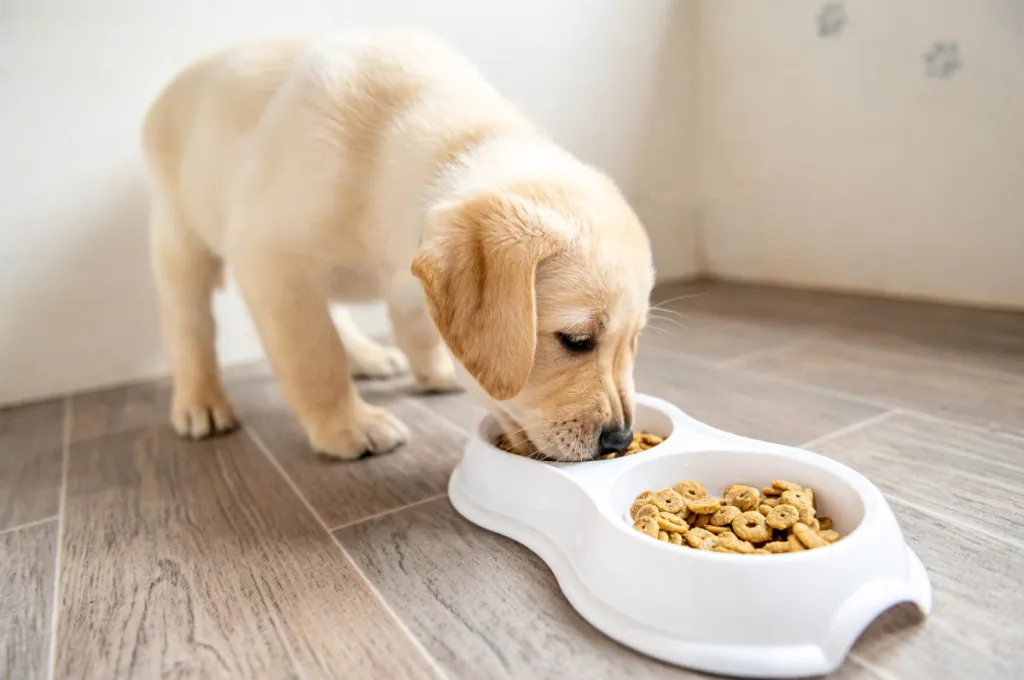
The Ultimate Guide to Feeding Your Puppy: Best Practices for Healthy Growth and Development Introduction: Welcoming a new puppy into your home is an exciting time filled with joy and anticipation. As a responsible pet owner, one of your most important duties is ensuring that your furry friend receives proper nutrition to support healthy growth and development. In this comprehensive guide, we’ll explore the best ways to feed your puppy, covering everything from choosing the right food to establishing healthy feeding habits. Chapter 1: Understanding Your Puppy’s Nutritional Needs Before diving into the specifics of feeding your puppy, it’s crucial to understand their unique nutritional requirements. Puppies require a balanced diet rich in essential nutrients to support their rapid growth and development. Key nutrients include protein, carbohydrates, fats, vitamins, and minerals. Consult with your veterinarian to determine the appropriate nutritional profile for your puppy based on factors such as breed, size, age, and activity level. Chapter 2: Choosing the Right Puppy Food With a myriad of puppy food options available on the market, selecting the right one can be overwhelming. Opt for high-quality puppy food formulated specifically for puppies’ nutritional needs. Look for products that feature animal protein as the primary ingredient and avoid artificial additives, preservatives, and fillers. Consider factors such as your puppy’s breed size, age, and any dietary restrictions or allergies when choosing the appropriate food. Chapter 3: Establishing a Feeding Schedule Establishing a consistent feeding schedule is essential for maintaining your puppy’s health and well-being. Puppies thrive on routine, so aim to feed them at the same times each day. Divide their daily food allowance into several smaller meals to prevent overeating and aid digestion. Monitor your puppy’s appetite and adjust portion sizes as needed to maintain a healthy body condition. Chapter 4: Monitoring Your Puppy’s Growth and Development Regular monitoring of your puppy’s growth and development is crucial for ensuring they are receiving adequate nutrition. Keep track of their weight, body condition, and overall health to identify any potential issues early on. Consult with your veterinarian if you have any concerns about your puppy’s growth or if you notice any changes in their appetite, energy level, or behavior. Chapter 5: Incorporating Treats and Supplements While puppy food should serve as the foundation of your puppy’s diet, treats can be used sparingly as rewards for good behavior or during training sessions. Choose healthy, nutrient-rich treats that complement your puppy’s diet and avoid overindulging. Additionally, consult with your veterinarian about the need for any dietary supplements to address specific health concerns or deficiencies. Chapter 6: Transitioning to Adult Dog Food As your puppy grows and matures, their nutritional needs will evolve. Around the age of 12 to 18 months, depending on their breed size, you may need to transition them from puppy food to adult dog food. Gradually introduce the new food over the course of several days to avoid digestive upset, and monitor your dog’s response to the transition. Conclusion: Feeding your puppy is a fundamental aspect of responsible pet ownership, and by following the best practices outlined in this guide, you can ensure that your furry friend receives the nutrition they need to thrive. Remember to consult with your veterinarian for personalized guidance and advice tailored to your puppy’s specific needs. With proper nutrition and care, you can set your puppy up for a lifetime of health and happiness.

Puppyfy UAE - Dangerous-foods-for-pets
Uncategorized

Keeping Your Furry Friend Safe: Foods Harmful to Dogs

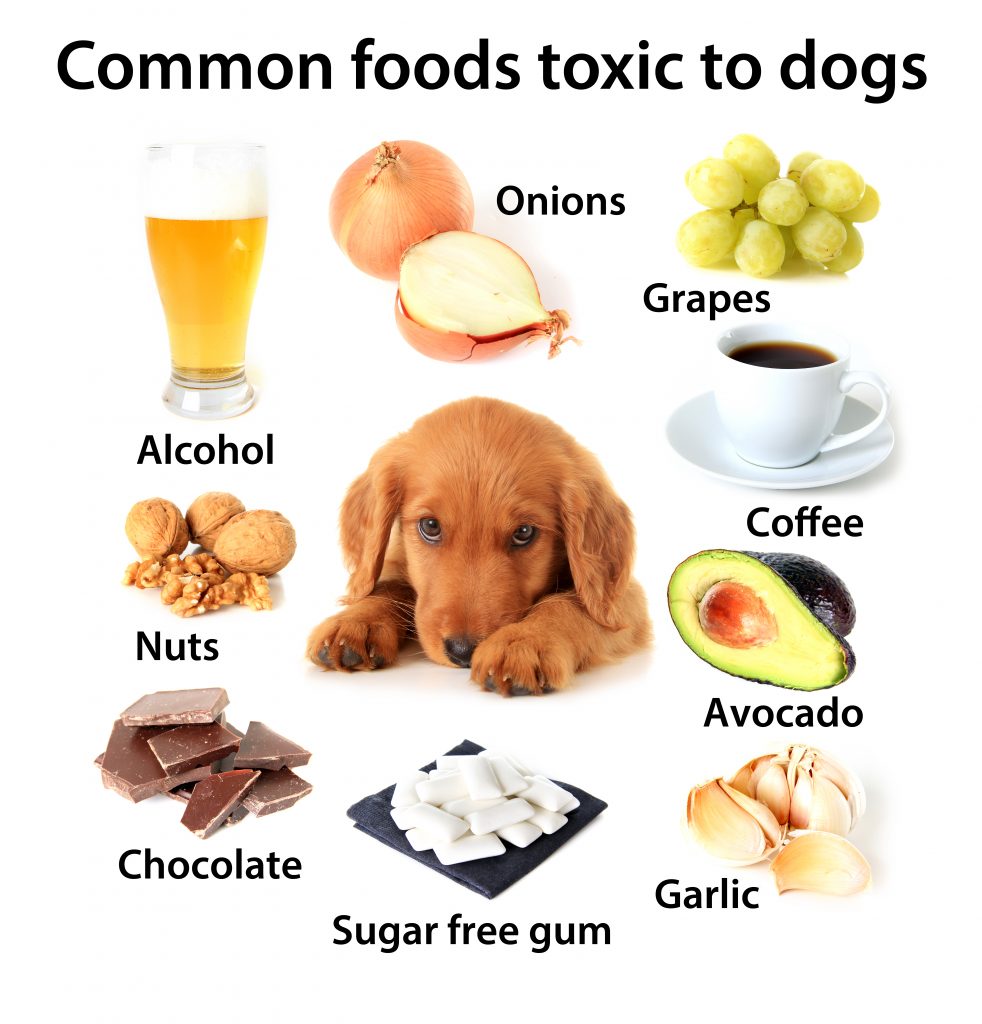
As responsible pet owners, ensuring the health and well-being of our canine companions is paramount. While providing nutritious meals is essential, it’s equally vital to be aware of foods that can pose a threat to our dogs’ health. In this article, we explore five common foods that should be avoided to safeguard our furry friends. Conclusion: In conclusion, awareness of foods harmful to dogs is essential for responsible pet ownership. By understanding the risks associated with certain foods and taking proactive measures to prevent exposure, we can help ensure the health and safety of our beloved canine companions. If you suspect your dog has ingested any harmful foods or is displaying concerning symptoms, seek veterinary care promptly to ensure prompt treatment and recovery.

Puppyfy UAE - Board-and-train-programs
Uncategorized

Unlocking the Benefits: Understanding Puppy Boarding Training

Puppy boarding training offers a comprehensive solution for pet owners seeking top-notch care and training for their furry companions, particularly during periods of absence or travel. This article delves into the significance of puppy boarding training and its myriad benefits for both pups and their owners. What is Puppy Boarding Training? Puppy boarding training entails entrusting young pups to specialized facilities staffed by professional trainers and caregivers. These establishments provide a nurturing environment where puppies undergo training, socialization, and care tailored to their developmental needs. Benefits of Puppy Boarding Training: Tips for a Successful Experience: Conclusion: In summary, investing in puppy boarding training yields invaluable benefits for your furry friend’s development and overall well-being. By affording them the opportunity to learn, socialize, and receive top-tier care in a nurturing environment, you set them on the path to a fulfilling and balanced life.