
18 октября 2026 г.
Crate Training Your Puppy in a UAE Apartment: A Step-by-Step Guide
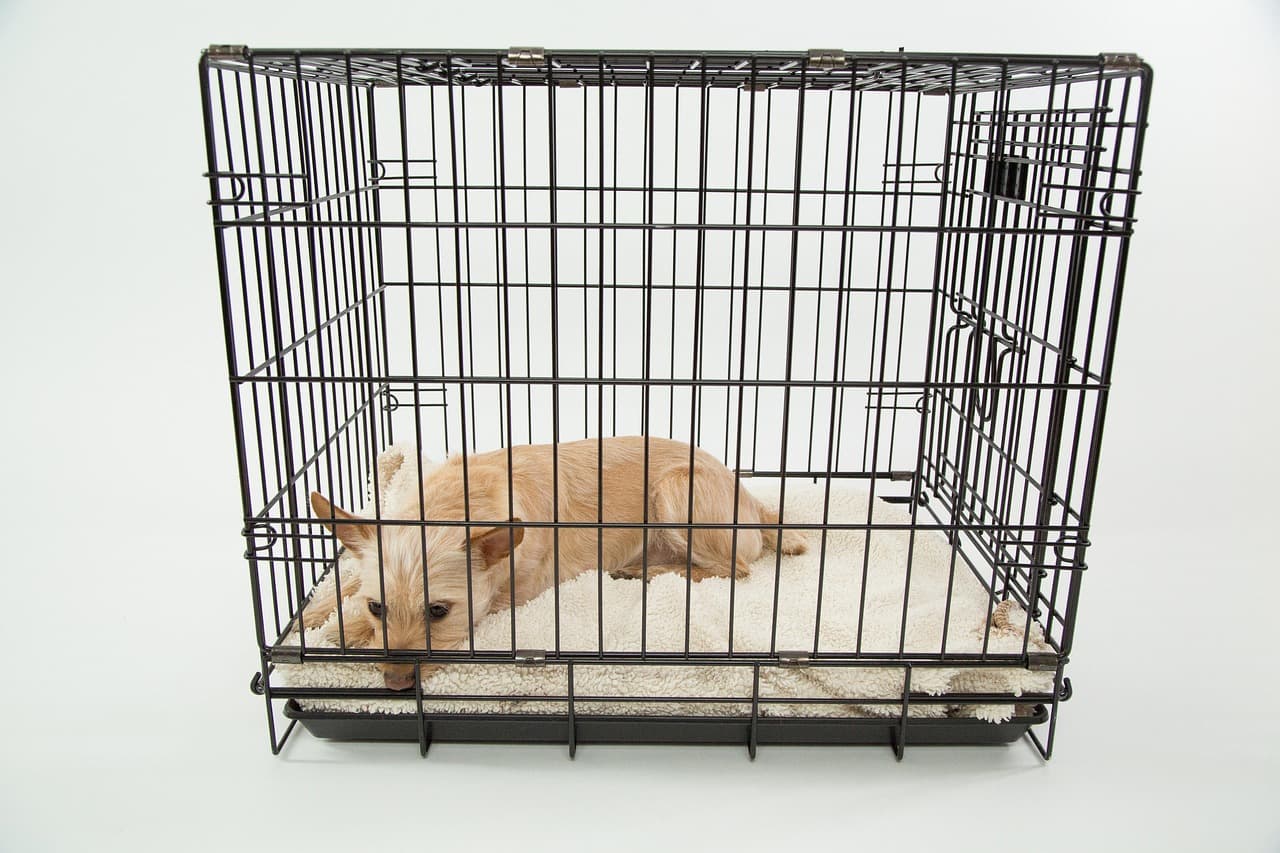
Most homes in Dubai and Abu Dhabi are apartments, not villas with private gardens, which makes crate training one of the most useful skills a new puppy owner can master here. A crate gives your puppy a safe, den-like space in a smaller living area, helps prevent destructive chewing on shared building floors and furniture, and makes travel, vet visits, and grooming appointments far less stressful. Done correctly, crate training also supports faster house-training, which matters a lot when you don't have instant access to a backyard.
Why Crate Training Matters More in UAE Homes
Unlike a house with a yard, an apartment puppy is almost always within a few steps of a sofa, a wall, or an expensive rug. A crate reduces opportunities for chewing and accidents when you can't supervise, such as during work calls, deliveries, or quick errands. It also prepares your puppy for building elevators, communal corridors, vet clinics, and pet-friendly cafes, where calm, confined behavior is expected.
Choosing the Right Crate for Small Spaces
- Pick a crate sized for your puppy's adult breed, not just their current size — too much space encourages accidents in one corner.
- Wire crates with removable trays work well in the UAE heat since they allow better airflow than solid plastic carriers.
- Look for foldable or stackable designs if your apartment has limited storage.
- Place the crate away from direct sun exposure near windows and away from air-conditioning vents blowing directly onto it.
Step-by-Step Introduction
- Day 1-3: Leave the crate door open with soft bedding and treats inside. Let your puppy explore on their own terms — never force entry.
- Day 4-7: Feed meals inside the crate with the door open, gradually closing it for a few minutes while you stay nearby.
- Week 2: Start short absences — step into another room for 5-10 minutes, then return calmly without making a big fuss.
- Week 3 onward: Extend crate time gradually, including short periods alone in the apartment, building toward safe durations for work hours.
Managing Crate Time During UAE Work Schedules
Many Puppyfy families juggle long office hours, and it's important not to over-crate a young puppy. As a general rule, puppies can hold their bladder for roughly one hour per month of age, up to about four to six hours maximum. If your workday is longer, arrange a midday visit from a neighbor, pet sitter, or doggy daycare rather than leaving your puppy crated all day. Overuse of the crate without breaks can create anxiety rather than comfort.
Avoiding Common Mistakes
- Never use the crate as punishment — it should always feel like a safe retreat, not a consequence.
- Avoid placing the crate in an isolated room; puppies do better when the crate is in a living area where they can still see and hear the family.
- Don't skip the gradual introduction phase, even if you're short on time — rushing often leads to whining, scratching, or a permanent dislike of the crate.
- Keep crate sessions calm; excited greetings when letting your puppy out can encourage barking for attention next time.
Signs Your Crate Training Is Working
A well-crate-trained puppy will often walk into the crate voluntarily, especially at nap time or when the household gets noisy. They should settle within a few minutes rather than pacing or barking continuously. If your puppy consistently resists the crate after several weeks of gentle training, it may help to reassess crate size, location, or bedding comfort rather than pushing through with longer confinement periods.
Crate training takes patience, but for apartment-based families across the