19 نوفمبر 2026
Puppy Separation Anxiety in the UAE: Helping Your Dog Cope With Long Work Days
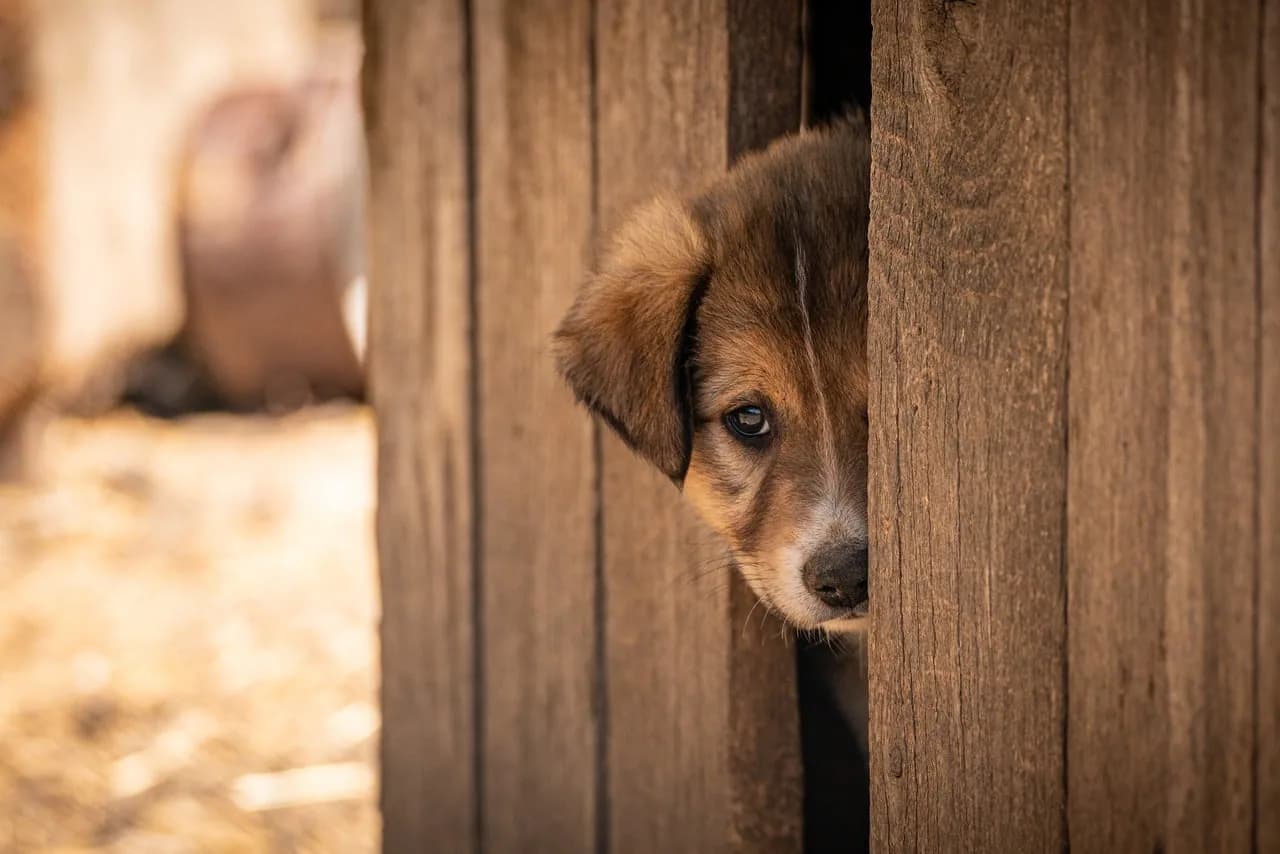
Many new puppy owners in Dubai and Abu Dhabi work long hours, often in jobs with early starts, late finishes, or frequent travel. Combine that with villa or apartment living where a puppy may spend hours alone, and separation anxiety becomes one of the most common — and most overlooked — behavioral issues in the UAE. Left unmanaged, it can lead to destructive chewing, excessive barking that triggers noise complaints in shared buildings, and a genuinely distressed dog. Here's how to recognize it early and build a routine that works with a typical UAE work schedule.
Signs Your Puppy Is Struggling With Alone Time
Separation anxiety isn't just "missing you" — it's a stress response. Watch for these signs in the first few weeks after bringing your puppy home:
- Howling, barking, or whining that starts within minutes of you leaving (check building CCTV or ask your maid/housekeeper if home)
- Chewing on door frames, skirting boards, or anything near the exit
- Accidents indoors despite being otherwise house-trained
- Pacing, drooling, or panting excessively before you even leave the house
- Refusing to eat or drink while you're gone
Why It's More Common Here Than You'd Expect
Several aspects of expat life in the UAE make separation anxiety more likely:
- Long commutes and shift work: Many owners are gone 10+ hours a day, which is a long stretch for a young puppy's bladder and emotional tolerance.
- High-rise apartment living: Limited outdoor access means puppies get less natural stimulation and decompression time before being left alone.
- Frequent household transitions: Puppies bought or adopted from Puppyfy UAE often move from a breeder environment, to a new home, sometimes with a helper or housemate also adjusting — this instability can delay secure attachment.
- Hot climate restrictions: Because outdoor exercise is limited during the day due to heat, puppies build up pent-up energy that turns into anxiety-driven behavior indoors.
Building an Independence Routine From Day One
The goal isn't to avoid ever leaving your puppy — it's to teach them that alone time is safe and predictable.
- Practice "micro-departures": Leave the room, then the apartment, for 30 seconds at a time, gradually increasing duration over days. Never make a big deal of leaving or returning.
- Create a dedicated "safe zone": A crate or playpen with their bed, a stuffed chew toy, and familiar bedding helps signal that this is their space, not a punishment zone.
- Front-load exercise and enrichment: A 20-30 minute play or sniff session before you leave (ideally during cooler early morning hours) burns energy so your puppy rests rather than frets.