22 October 2026
The Complete Grooming Guide for Puppies in the UAE's Climate
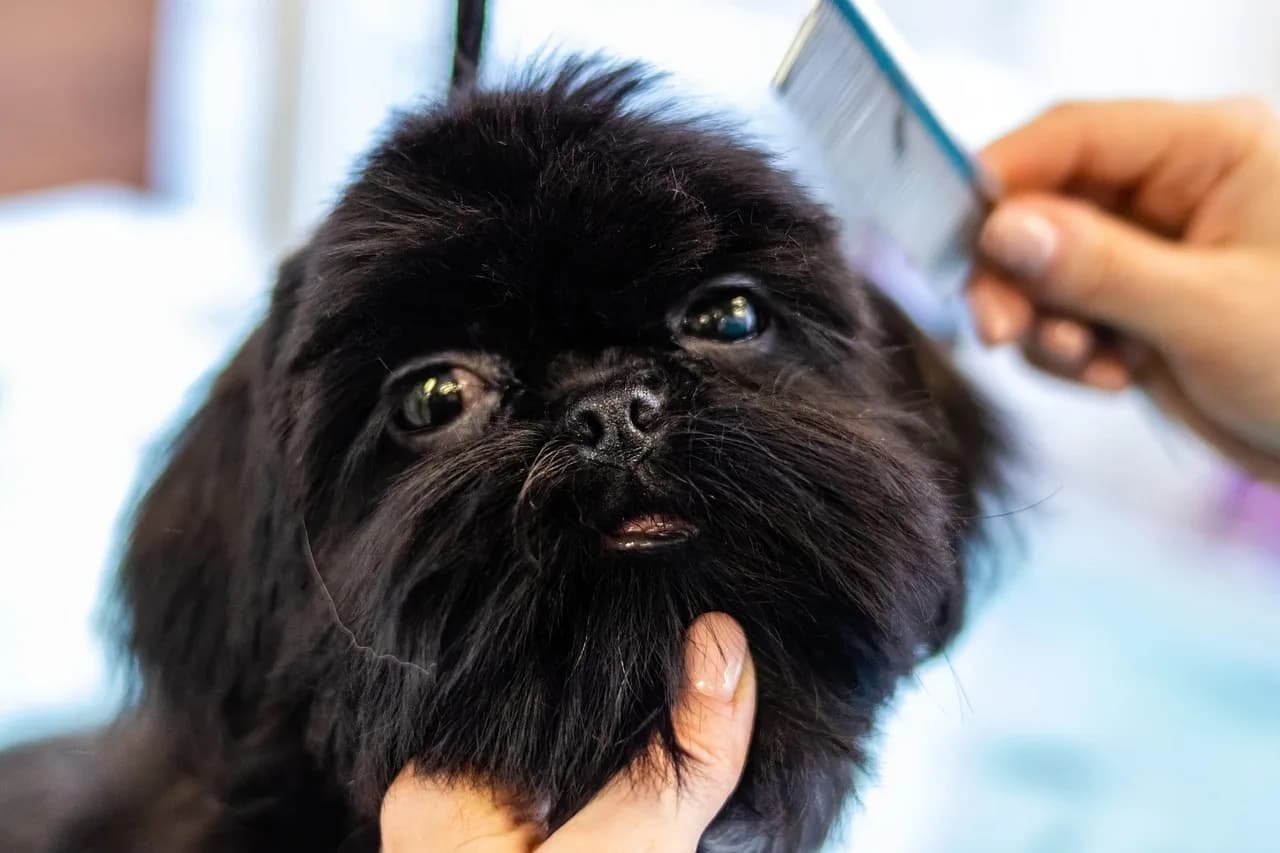
The UAE's heat, humidity, sand, and dust create grooming challenges that most generic puppy guides never address. A coat that works perfectly for a Golden Retriever in a cooler climate can turn into a matted, overheated mess in Dubai's summer if you don't adjust your grooming routine. Here's how to keep your puppy's skin, coat, and paws healthy all year round in the UAE.
Bathing Frequency: More Than You Think, But Not Too Much
Dust storms, sand from beach trips, and sweat from heat make UAE puppies dirtier faster than puppies in milder climates. However, over-bathing strips natural oils and can dry out skin that's already stressed by air conditioning and sun exposure.
- Short-haired breeds: bathe every 3-4 weeks, or after visits to the beach or desert
- Double-coated breeds (Golden Retrievers, Huskies): every 4-6 weeks, with regular brushing in between
- Always use a moisturizing, UAE-climate-appropriate shampoo — avoid harsh formulas that worsen dryness
- Rinse thoroughly; leftover shampoo residue combined with heat can trigger skin irritation
Brushing: Your Best Defense Against Heat Stress and Matting
Many new owners in the UAE assume shaving a double-coated puppy helps with the heat. In reality, a dog's double coat insulates against both cold and heat, and shaving it can damage the coat permanently and increase the risk of sunburn. Instead, focus on consistent brushing.
- Brush double-coated breeds 3-4 times a week to remove loose undercoat and improve natural airflow to the skin
- Brush short-haired breeds weekly to distribute natural oils and catch sand or debris early
- Invest in a deshedding tool, especially during the heavier shedding periods in spring and autumn
- Check for mats behind the ears, under the legs, and around the collar area daily if your puppy swims or plays outdoors
Paw Care: Protecting Against Hot Pavement and Sand
Pavement and sand temperatures in the UAE can exceed 60°C in peak summer, which is enough to burn paw pads within seconds. Grooming routines should include regular paw checks.
- Inspect paw pads after every outdoor walk for cracking, redness, or blistering
- Trim the hair between paw pads on longer-coated breeds to prevent sand and dirt buildup
- Apply a pet-safe paw balm before and after walks during summer months
- Keep walks to early morning or late evening, and consider protective booties for midday necessities